


Patagonia is not a single destination. It is an immense region of mountains, forests, glaciers, lakes, windswept steppe and remote settlements stretching across southern Chile and Argentina.
Part of its fascination is precisely its scale. The great sights are separated by hundreds of miles, and getting from one to another is often an adventure in itself.
For travelers who enjoy the journey as much as the destination, Patagonia offers something increasingly rare: historic railways, remote roads, ferries across fjords, mountain crossings and landscapes that change dramatically as you travel south.
Here are some of the Patagonia travel highlights that make a journey through this remarkable part of South America so memorable.
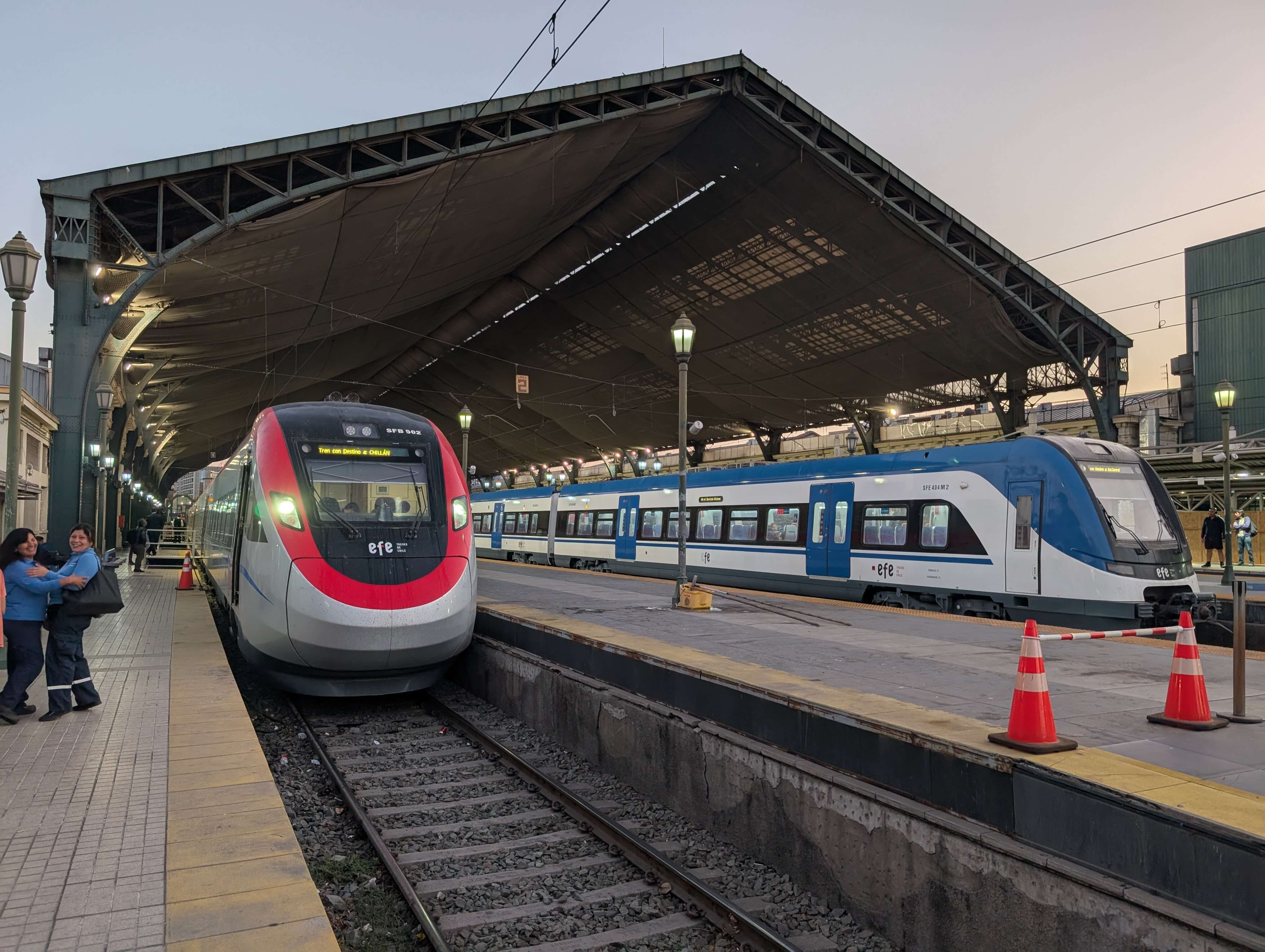
A journey into Patagonia does not have to begin with an immediate flight to the far south.
Starting in Santiago allows travelers to see how Chile changes gradually as they travel away from the capital toward the greener landscapes of southern Chile.
One of the particularly interesting railway experiences along the way is the historic Talca–Constitución railway, often known simply as the Ramal de Constitución.
Rather than being a purpose-built tourist railway, this is part of Chile's surviving railway heritage. The line crosses the agricultural landscapes of the Maule Region on its way toward the Pacific coast, passing small communities that have depended on the railway for generations.
It offers something very different from a modern high-speed journey: a glimpse of the role railways once played in connecting rural Chile.
Further south, the journey continues toward Concepción before reaching the Chilean Lake District — where the landscape begins to take on an unmistakably Patagonian character.
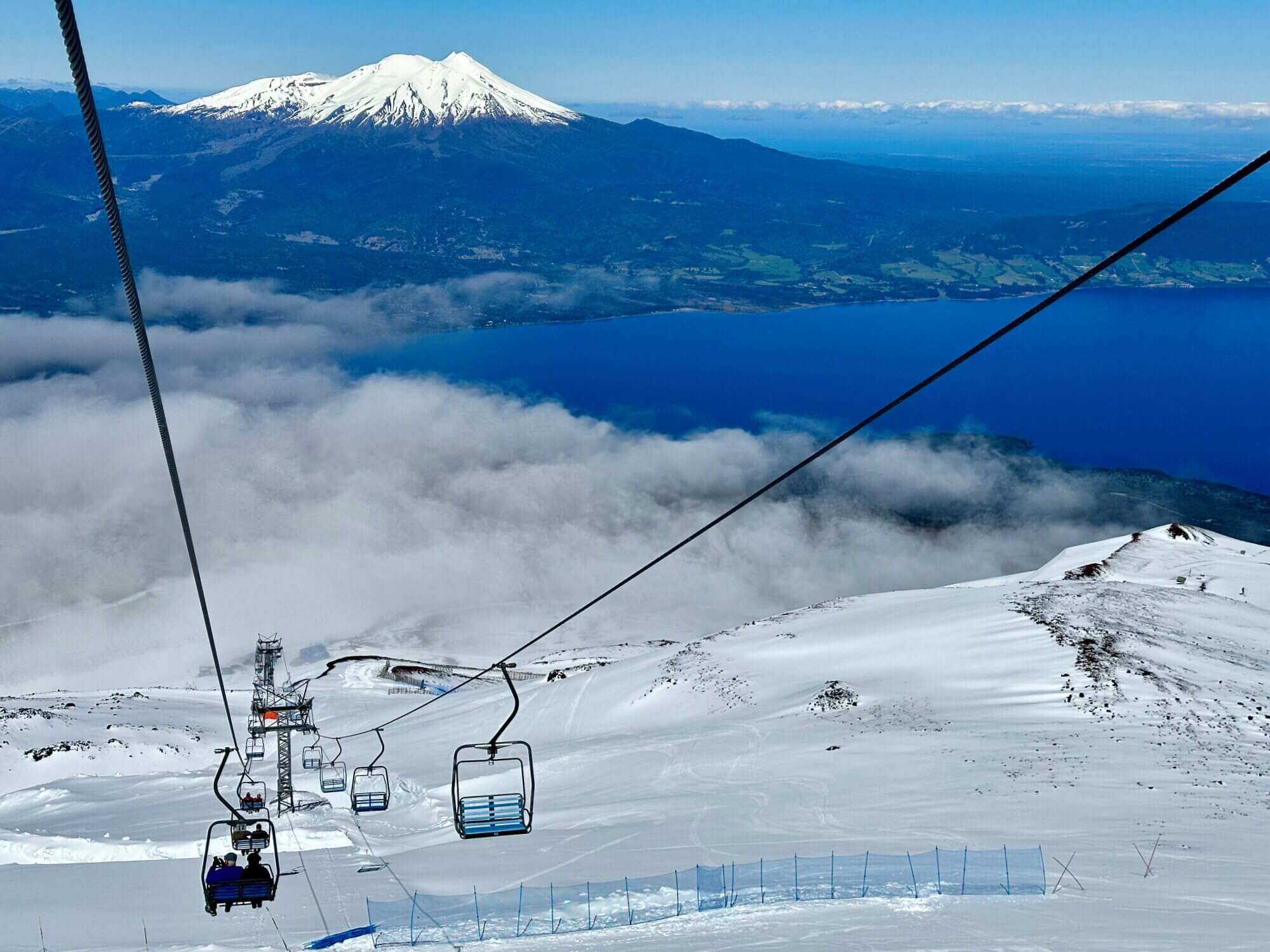
Set on the shore of Lake Llanquihue, Puerto Varas is one of the most attractive towns in southern Chile and an ideal introduction to northern Patagonia.
Across the lake rises the almost perfectly symmetrical cone of Osorno Volcano, while forests, rivers and waterfalls surround the region.
Nearby Petrohué Falls shows another side of this volcanic landscape. Here, turquoise water from Lago Todos los Santos rushes through channels formed by ancient lava flows, with the Andes forming a spectacular backdrop.
Puerto Varas is more than a destination in its own right. It also marks the transition between the relatively accessible Chilean Lake District and the far more remote landscapes that lie farther south.
This is where Patagonia begins to feel truly wild.
Few roads capture the spirit of Patagonia quite like the Carretera Austral.
Running through southern Chile, the highway passes dense temperate rainforest, snow-covered mountains, rivers, fjords and tiny settlements separated by vast areas of wilderness.
Travel here is deliberately slow.
The geography of this part of Chile makes a conventional north-to-south railway virtually impossible. Mountains plunge into deep fjords, glaciers cut through the Andes and sections of the route still require ferries.
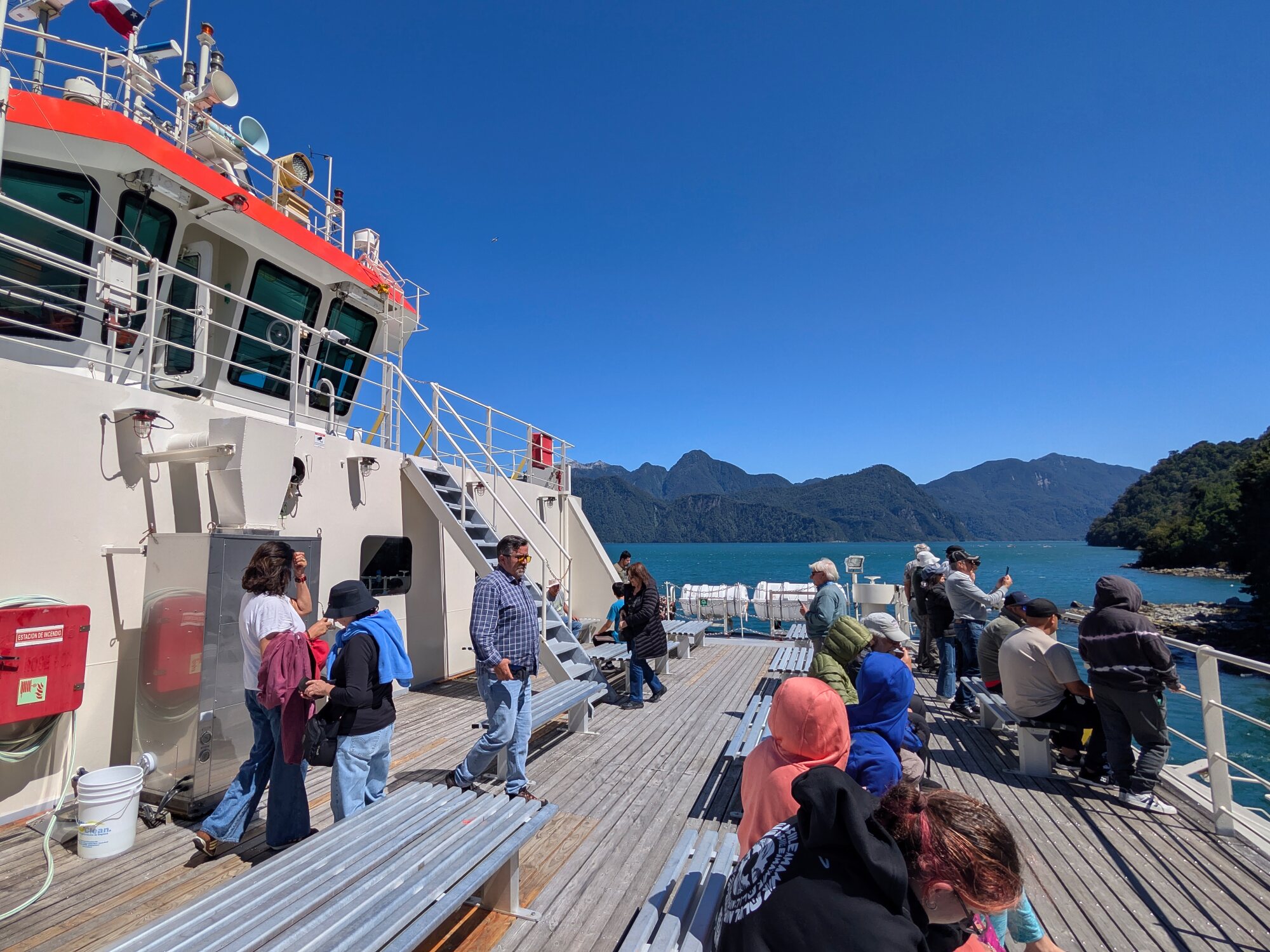
That is precisely what makes the journey so rewarding.
Rather than simply moving between famous attractions, travelers experience the enormous scale and isolation of Patagonia itself.
Places such as Chaitén and Puyuhuapi are not large tourist centers. They are small communities surrounded by some of the most dramatic landscapes in South America.
The road itself becomes one of Patagonia's great travel experiences.
Near the Argentine border lies Futaleufú, surrounded by forested mountains and known for the extraordinary turquoise waters of the Futaleufú River.
This is a different Patagonia from the open steppe found farther south.
The valleys are green, the mountains heavily forested and the Andes form a natural barrier between Chile and Argentina.
Crossing these mountains is also an important part of understanding Patagonia. Although Chilean and Argentine Patagonia form one enormous geographical region, the landscapes on either side of the Andes can be remarkably different.
After crossing into Argentina, the dense forests gradually give way to the broad, open spaces of the Patagonian steppe.
And here one of South America's most famous historic railways awaits.
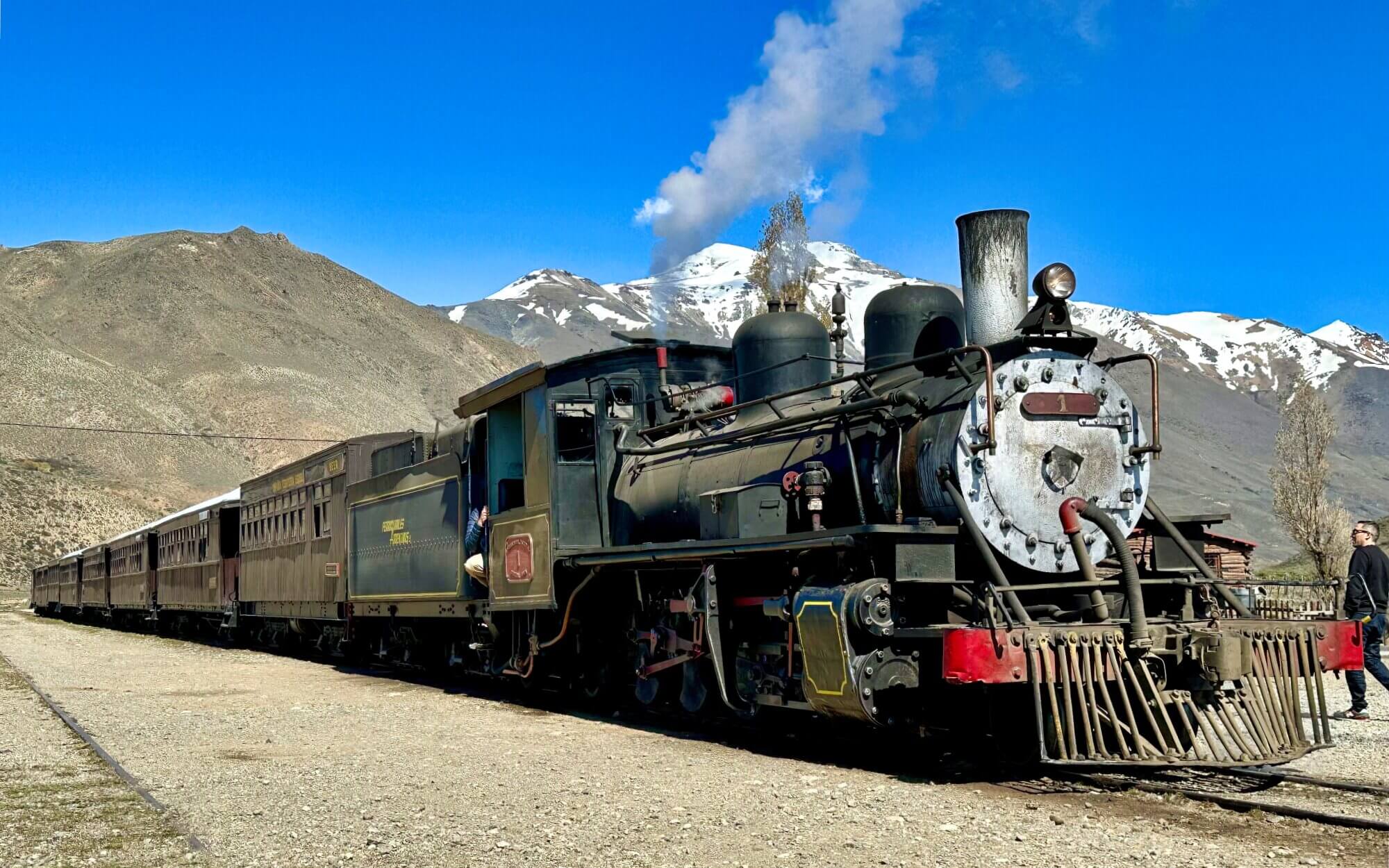
For railway enthusiasts, La Trochita is one of the great highlights of Patagonia.
Officially part of Argentina's Viejo Expreso Patagónico, the railway is better known internationally as the Old Patagonian Express.
Its narrow-gauge tracks, historic locomotives and traditional carriages belong to another era of railway travel.
The railway was built as part of an ambitious attempt to connect remote communities across Argentine Patagonia. Although much of the original network has disappeared, sections of La Trochita survive as a remarkable piece of living railway heritage.
From Esquel, the train travels across the stark Patagonian landscape, with mountains rising in the distance and the little train working steadily across the open country.
There are grander trains and faster trains in the world. Few, however, have quite the character of La Trochita.
For anyone interested in the history of rail travel, this is one of Patagonia's essential experiences.
Continuing north and east through Argentina leads to another completely different Patagonian landscape.
San Carlos de Bariloche sits beside the immense Nahuel Huapi Lake, surrounded by forests and the peaks of the Andes.
The scenery here can seem almost Alpine: mountain lakes, wooded slopes and distant snow-covered summits surround the town.
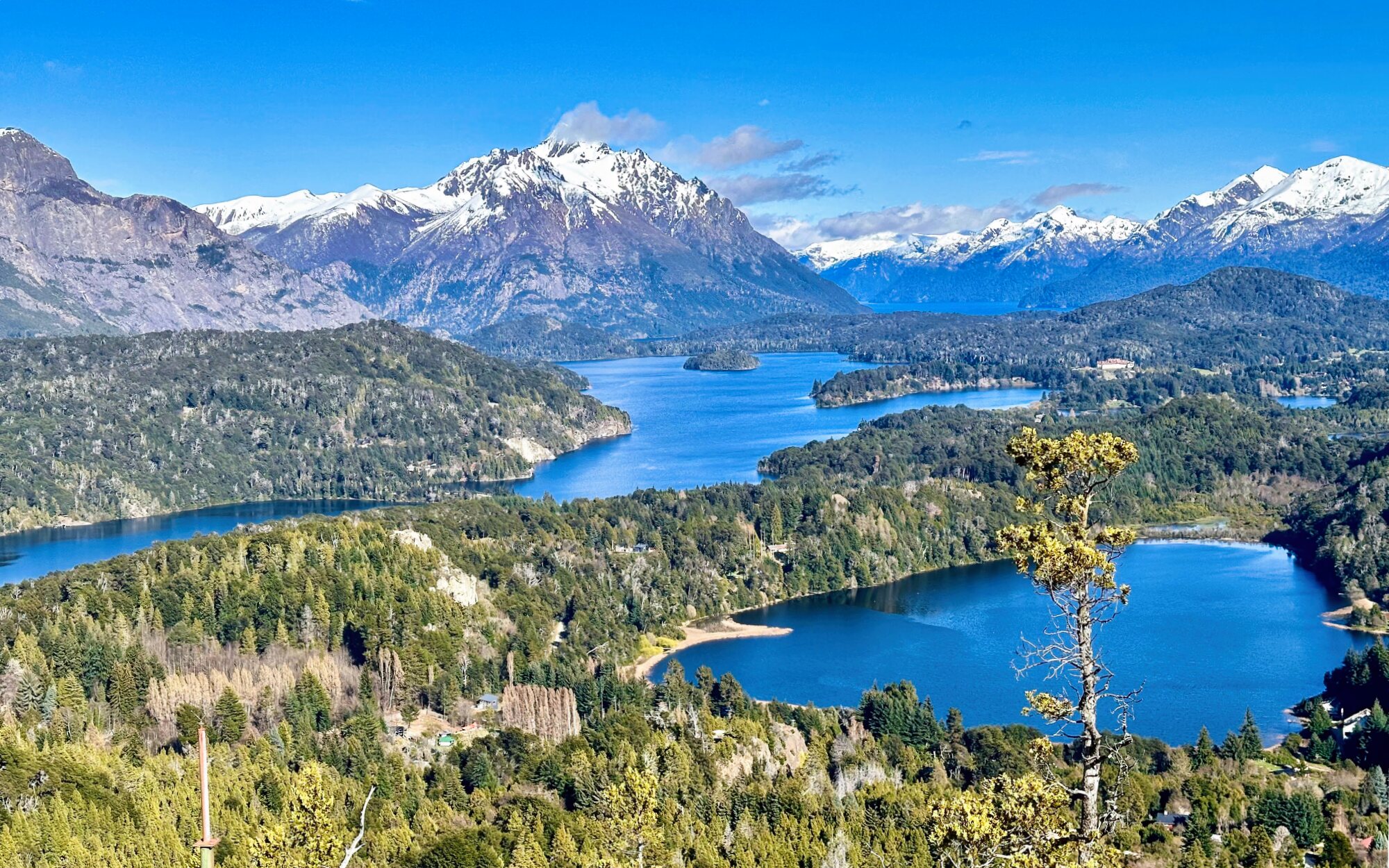
Bariloche has long been one of Argentina's best-known mountain destinations, but it also illustrates the extraordinary variety found within Patagonia.
Compare its forests and lakes with the dry steppe surrounding La Trochita or the fjords of the Carretera Austral, and it becomes clear why Patagonia cannot be defined by any single landscape.
The region constantly changes as the journey continues south.
Few natural sights in South America are as impressive as the Perito Moreno Glacier.
Located in Los Glaciares National Park near El Calafate, this enormous mass of ice descends from the Southern Patagonian Ice Field toward the waters of Lago Argentino.
What makes Perito Moreno particularly extraordinary is how closely it can be observed.
A network of walkways provides views from different elevations and angles, allowing visitors to appreciate the immense scale of the glacier's ice walls, crevasses and deep blue formations.
The glacier is not a static landscape.
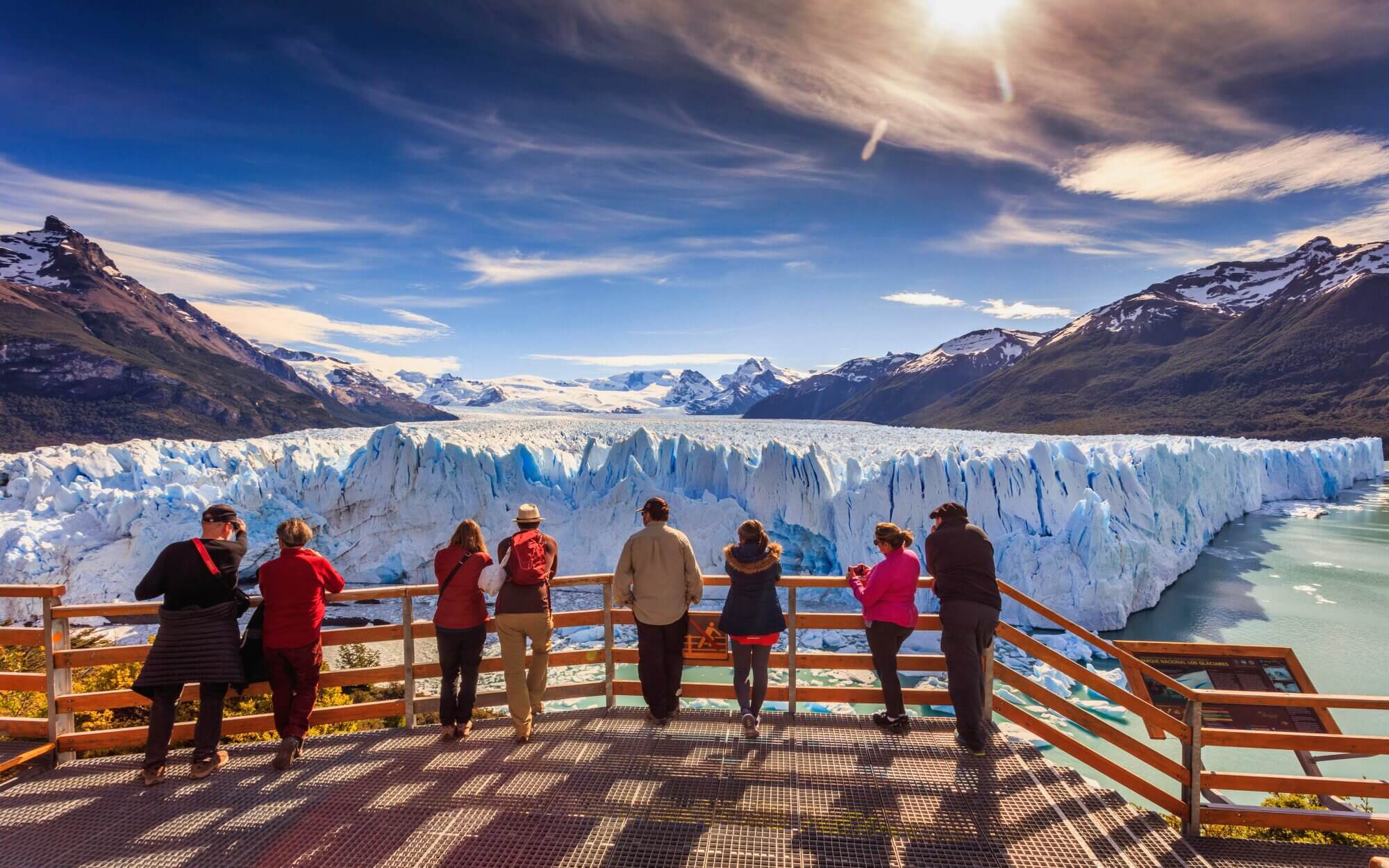
The ice shifts and cracks, and occasionally enormous sections break away and fall into the lake with a sound that can be heard from across the water.
After traveling through forests, mountains and steppe, standing in front of this vast wall of ice is one of the defining moments of a journey through Patagonia.
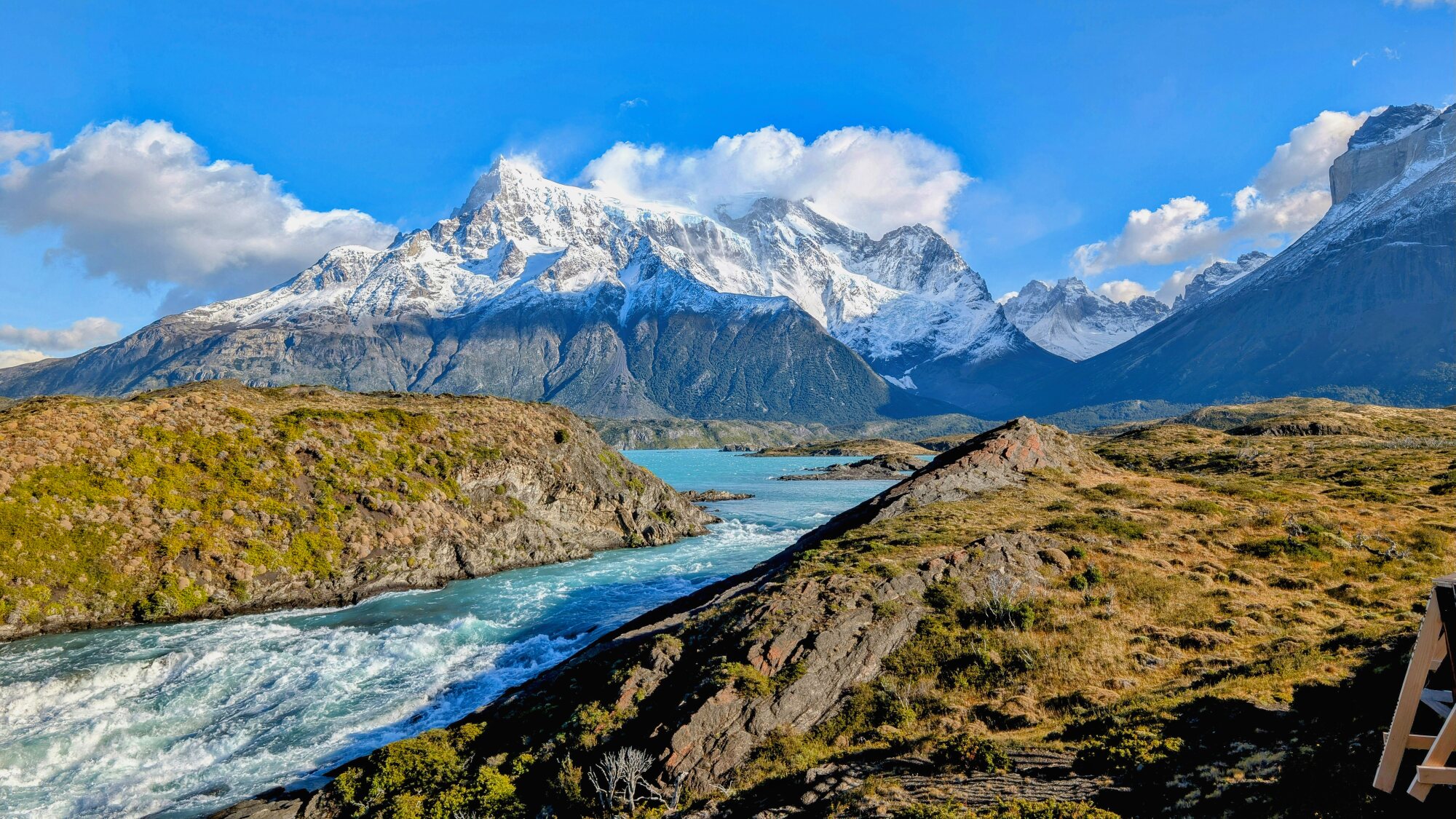
Across the border in Chile lies another of Patagonia's great natural landmarks: Torres del Paine National Park.
Its granite towers are instantly recognizable, but the park encompasses much more than its famous peaks.
Turquoise lakes, glaciers, grasslands and sharply rising mountains create landscapes that seem to change around almost every bend in the road.
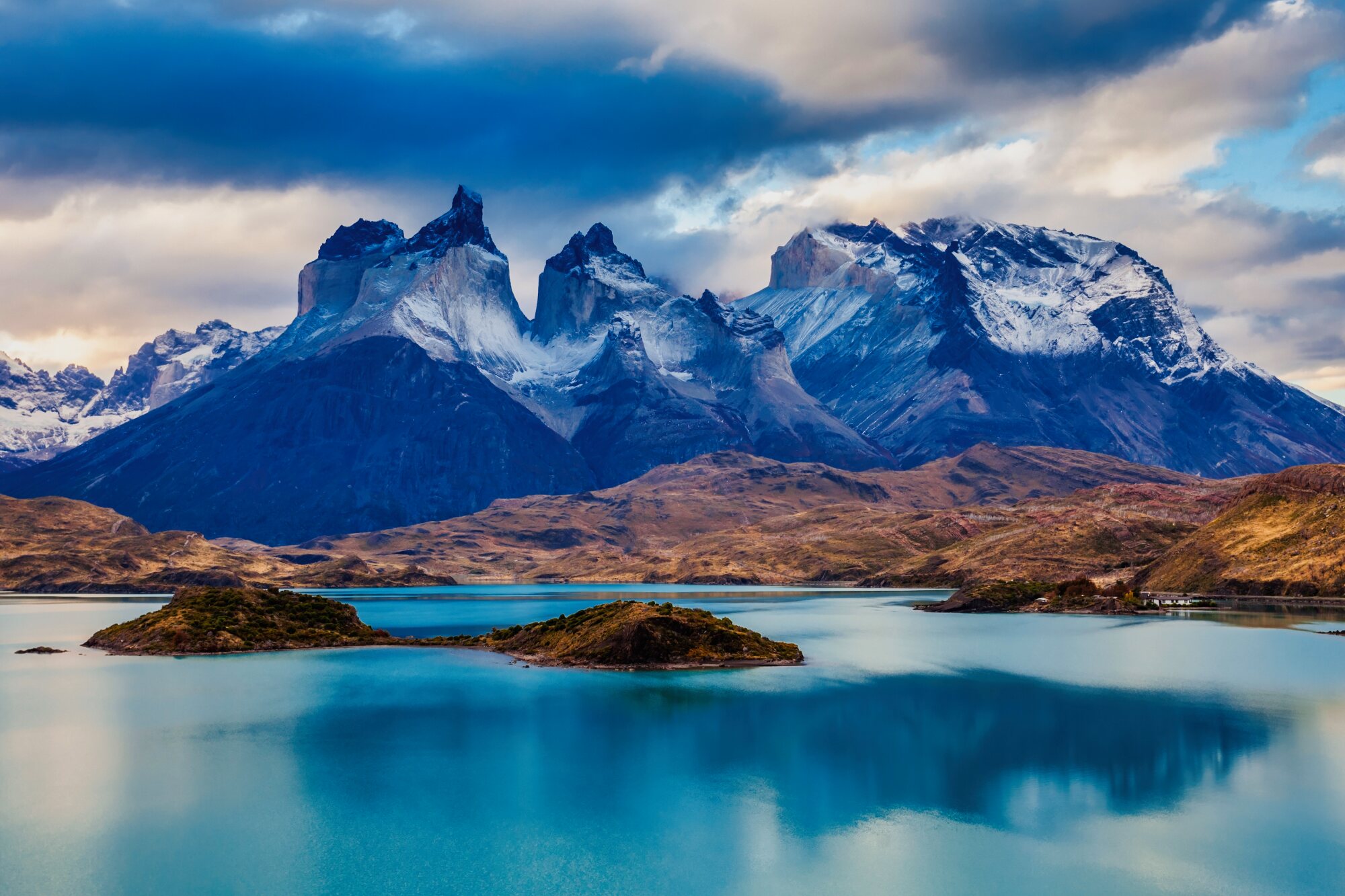
Wildlife is also an important part of the experience. Guanacos are frequently seen across the open terrain, while condors can sometimes be spotted circling high above the mountains.
The weather, too, is part of Patagonia.
Sunshine can turn to wind and cloud within a remarkably short time. Instead of diminishing the landscape, these rapid changes often make it more dramatic.
Torres del Paine is a place where Patagonia's mountains, ice, water and open wilderness come together on an extraordinary scale.
The small town of Puerto Natales, overlooking the Última Esperanza Sound, is the traditional gateway to Torres del Paine.
From here, the journey continues across southern Patagonia toward the Strait of Magellan.
This part of the journey reveals yet another landscape.
The forests and mountains become increasingly distant, while vast stretches of grassland reach toward the horizon. Sheep ranches, isolated estancias and long empty roads are reminders of how sparsely populated this part of South America remains.
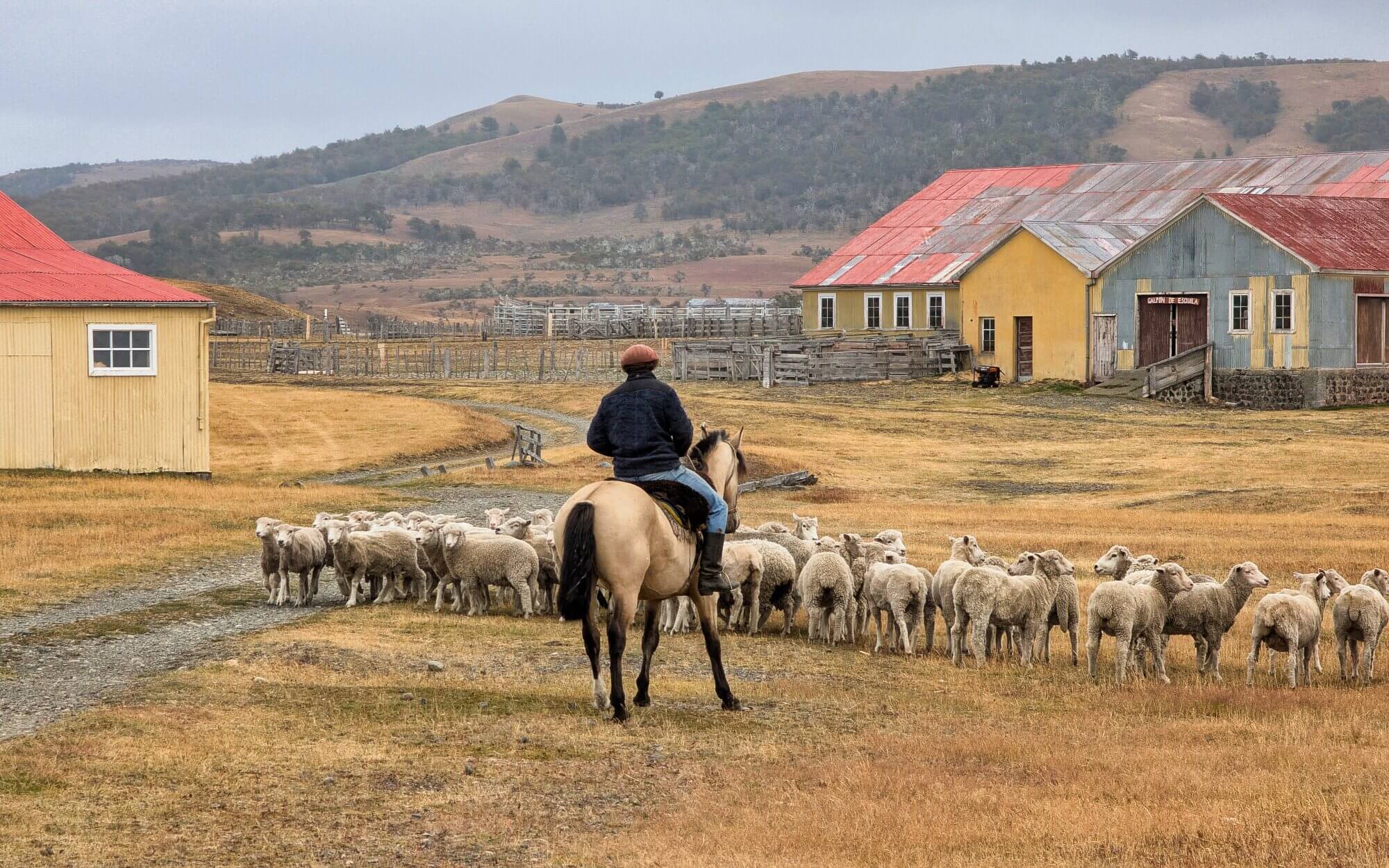
These wide-open spaces are not simply something to cross between attractions.
They are an essential part of Patagonia.
The distances help explain the history of the region, the importance of its ports and settlements, and why transportation here developed so differently from more densely populated parts of South America.
At the Strait of Magellan lies Punta Arenas, one of the historic gateways to the far south.
Long before the Panama Canal transformed international shipping, vessels sailing between the Atlantic and Pacific passed through these waters.
The city's history is closely connected with navigation, sheep farming, immigration and exploration.
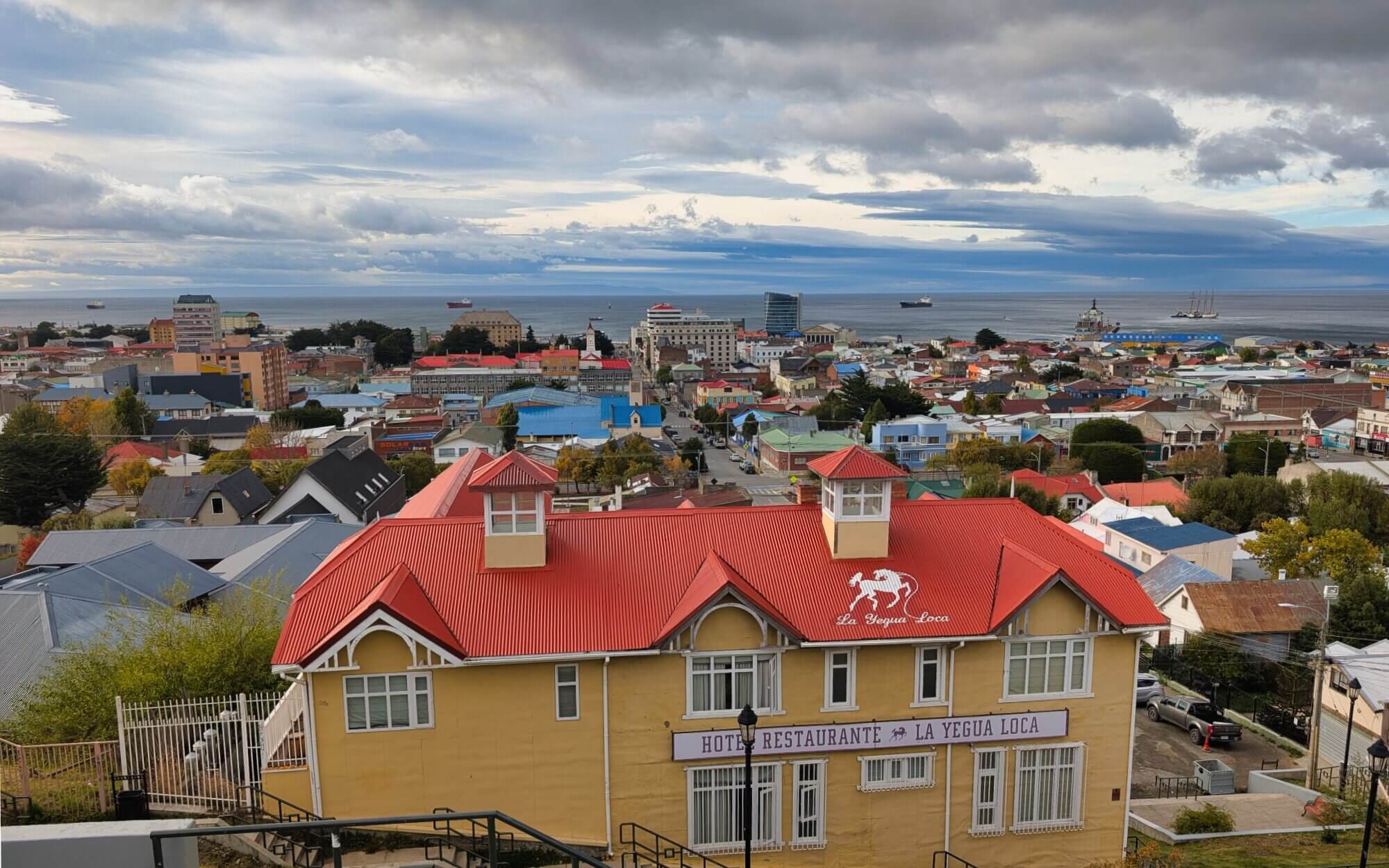
Reaching the Strait of Magellan also creates a natural conclusion to a journey through mainland Patagonia.
But for travelers who want to continue farther south, another extraordinary region lies beyond.
South of the Strait of Magellan lies the archipelago of Tierra del Fuego, where the geography becomes increasingly fragmented into islands, channels and mountains.
One route into this region leads to Puerto Williams on Navarino Island, one of the world's southernmost settlements.
From here, crossing the Beagle Channel leads to Ushuaia in Argentina.
Wildlife is one of the great attractions of this region, particularly around Martillo Island, where penguin colonies inhabit the shores of the Beagle Channel.
Ushuaia also has an unusual railway connection.
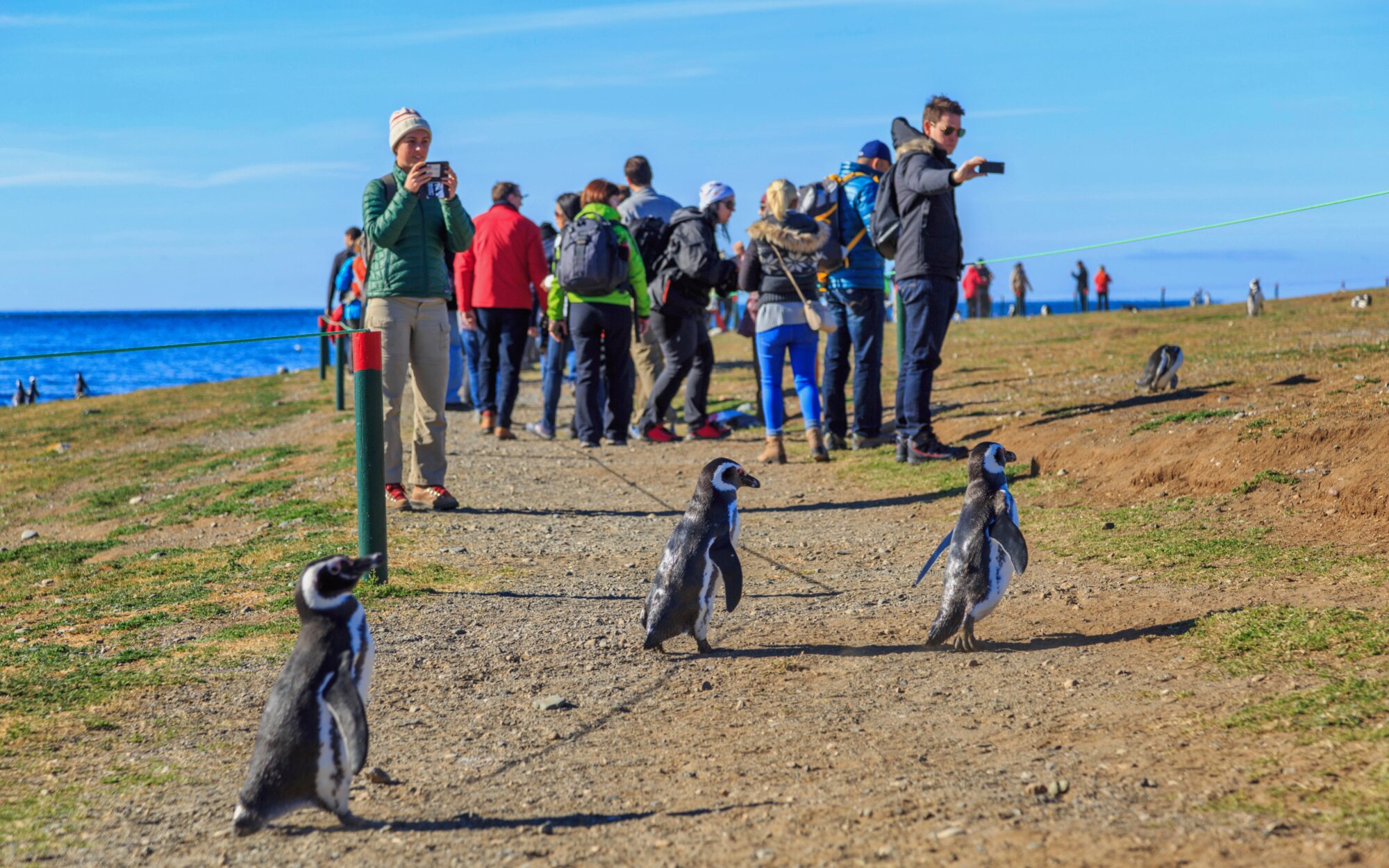
The End of the World Train, or Tren del Fin del Mundo, follows part of the route once used by the former prison railway into what is now Tierra del Fuego National Park.
It is a small railway with a remarkable setting — and a fitting final train journey at the southern edge of the continent.
There is another way to continue from Punta Arenas toward Ushuaia.
Expedition vessels travel through the intricate network of fjords, channels and islands of Tierra del Fuego, reaching places that cannot be accessed by road.
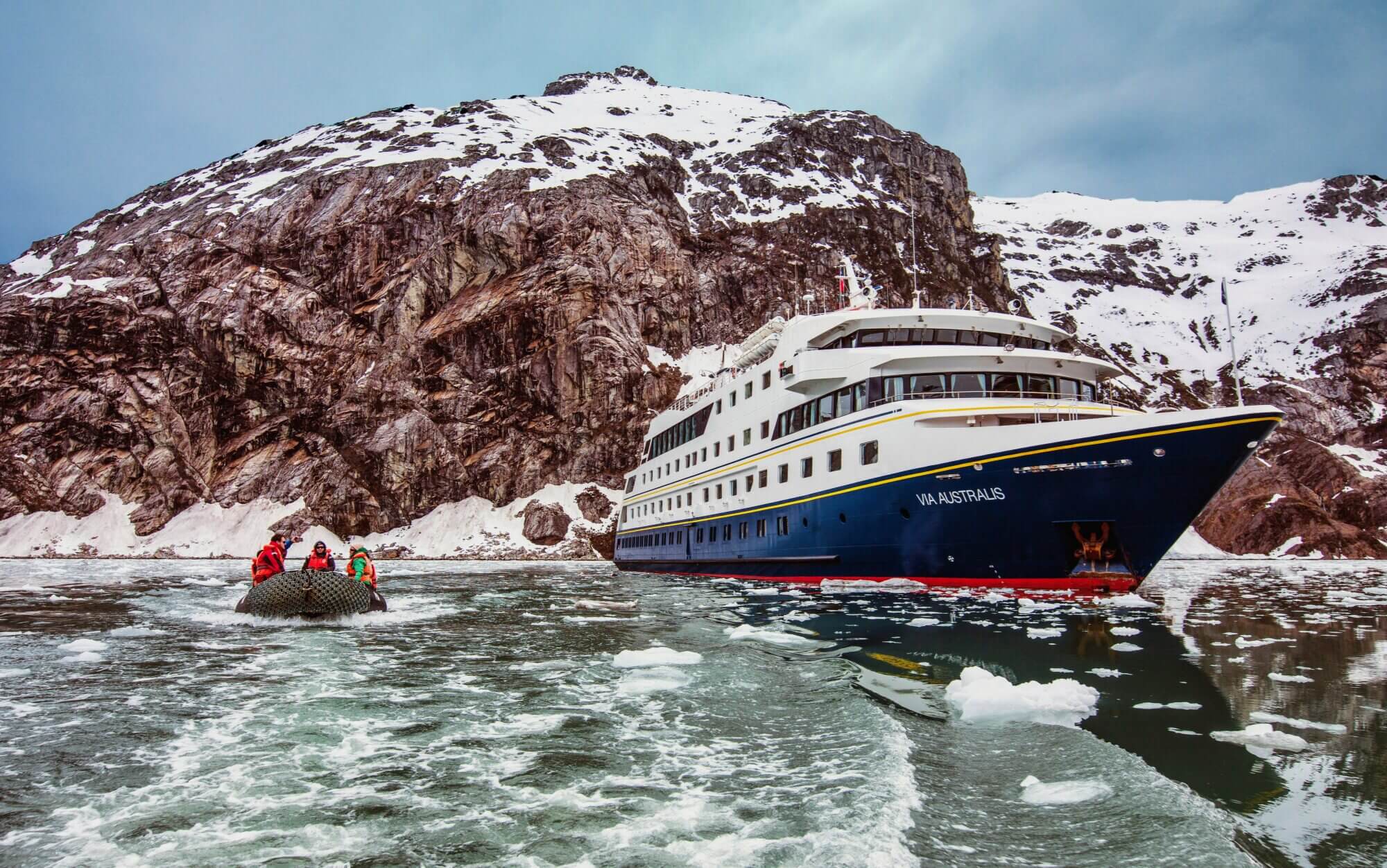
This is one of the few parts of the journey where traveling by water is not simply an alternative form of transportation. It is the only practical way to explore many of these remote landscapes.
Landings can reveal forests, glaciers and wildlife in an environment where human settlements are few and the geography remains overwhelmingly wild.
It provides a very different perspective on southern Patagonia and helps explain why ships have always played such an important role in exploring this part of the continent.
It is tempting to think of Patagonia as a collection of famous destinations: Bariloche, Perito Moreno, Torres del Paine and Ushuaia.
But that misses much of what makes the region special.
Patagonia was never designed for easy travel.
Its enormous distances, mountain ranges, fjords, ice fields and sparse population prevented the development of a continuous north-to-south railway. Historically, many Patagonian railways ran east to west, connecting inland communities with ports and larger population centers.
That is why experiencing Patagonia properly requires several forms of transportation.
Historic trains reveal its railway heritage. Roads such as the Carretera Austral provide access to remote valleys and settlements. Ferries cross fjords where roads cannot continue. Flights bridge distances that would otherwise require days of travel. Ships navigate channels that have connected the far south for generations.
Together, these journeys tell the story of Patagonia far better than any single mode of transportation could.
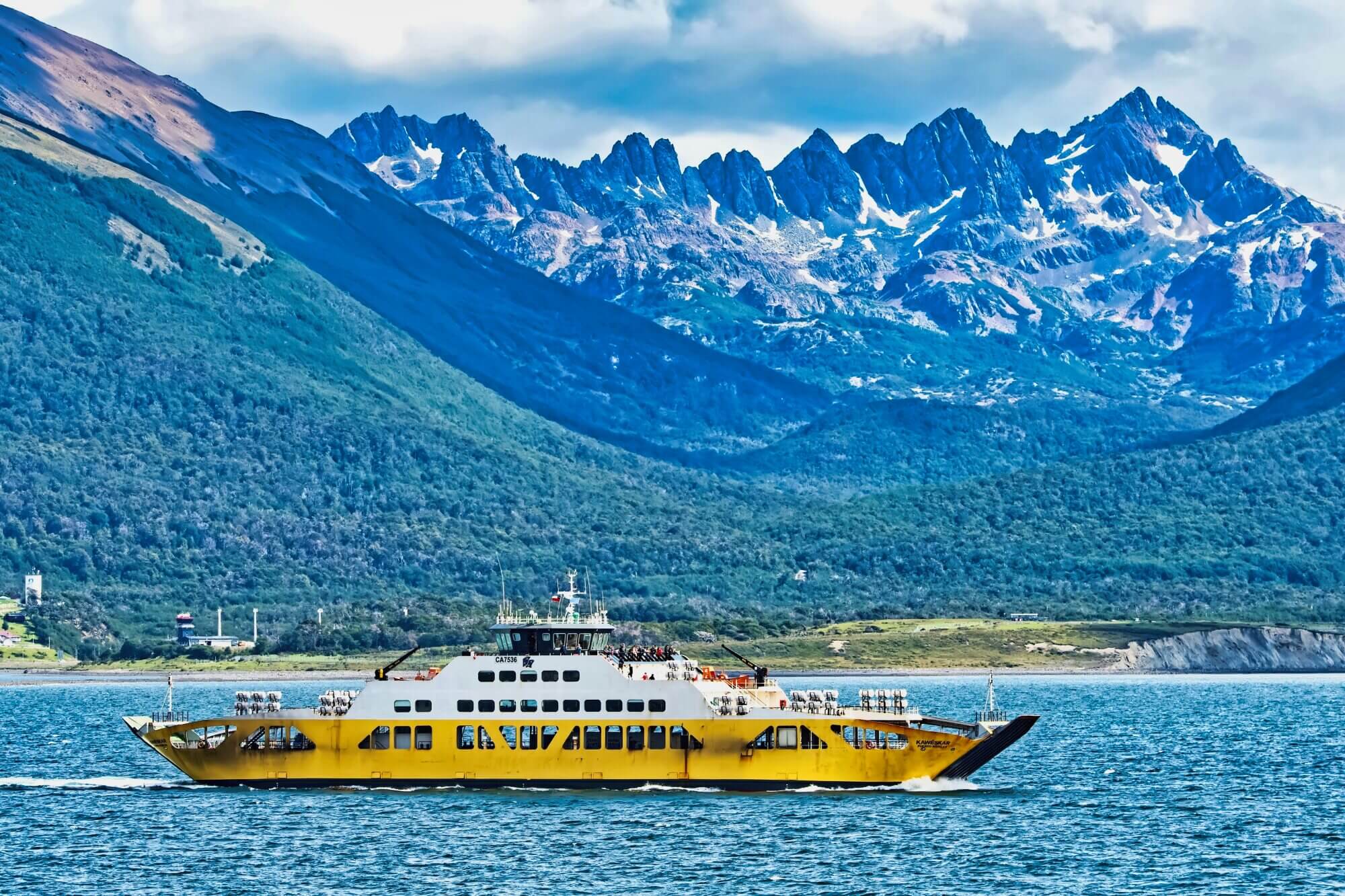
Our Patagonian Rail & Wilderness journey was designed around this idea.
Rather than trying to turn Patagonia into a conventional railway tour, we use trains where the railway itself is historically or scenically worthwhile — and combine them with the roads, ferries, flights and other forms of transportation needed to experience this immense region properly.
The journey begins in Santiago and travels south through Chile and Argentina to Punta Arenas, combining railway heritage with the Carretera Austral, the Andes, La Trochita, Bariloche, Perito Moreno Glacier and Torres del Paine.
Travelers who wish to continue farther south can also explore Tierra del Fuego by way of Puerto Williams and Ushuaia or travel through the Patagonian fjords aboard an expedition ship.
It is a journey for travelers who believe that how you reach a destination can be every bit as memorable as the destination itself.


.svg)
